Atopic dermatitis
Barrier dysfunction and inflammation modulated by chronic mechanical stress, scratching and cell-stiffness changes.
Skin is a mechanical organ.
Tension, stiffness and the daily loading of movement, friction and stretch shape how skin behaves. These cues are absent from conventional in-vitro assays. NeoMag® closes the gap.
The missing piece
Every efficacy assay run on plastic is missing a physiological component: movement.
Real loading
What skin is doing when an active reaches it changes how it responds. NeoMag turns each of these states into parameters an assay can reproduce.
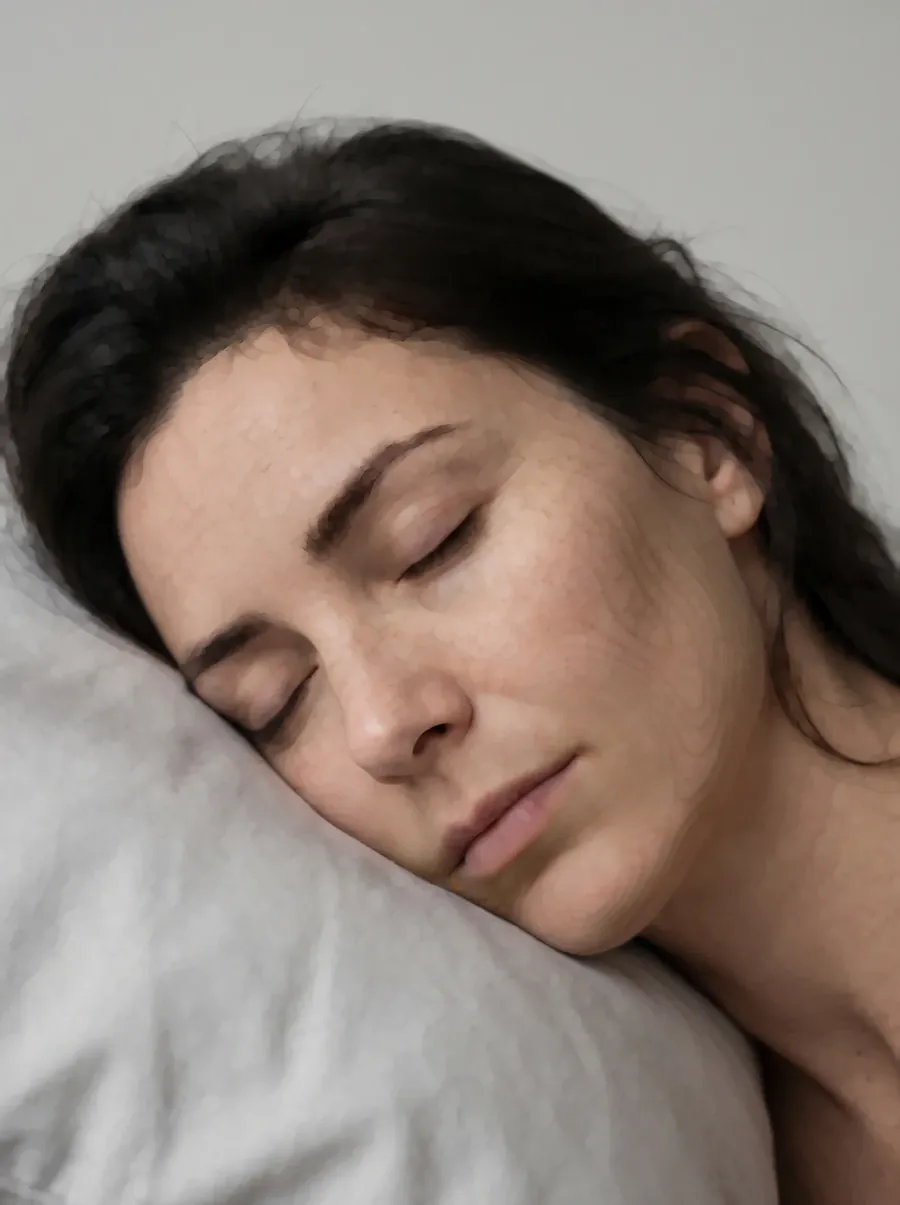

The slow, static pressure skin holds under posture and contact: a face on a pillow, all night.
deformation over time
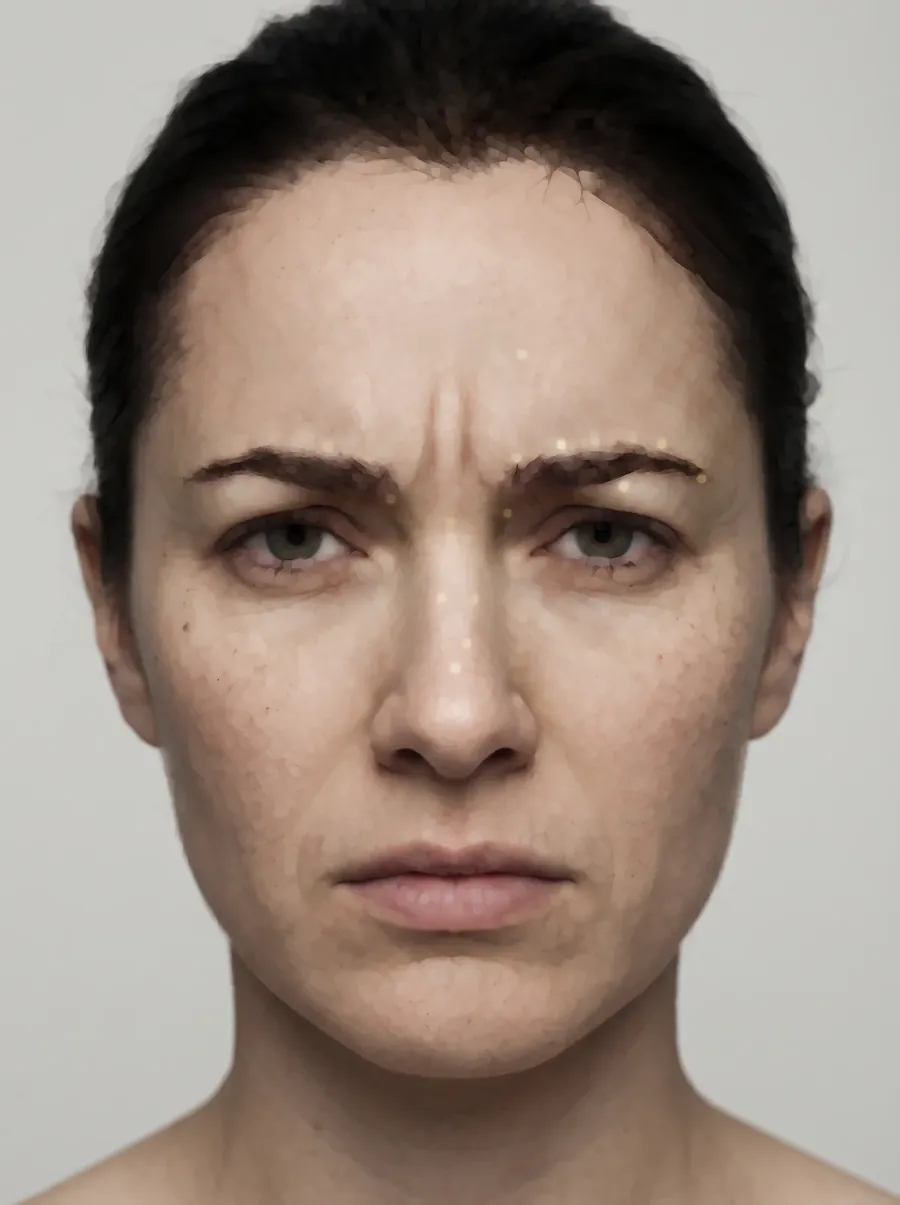
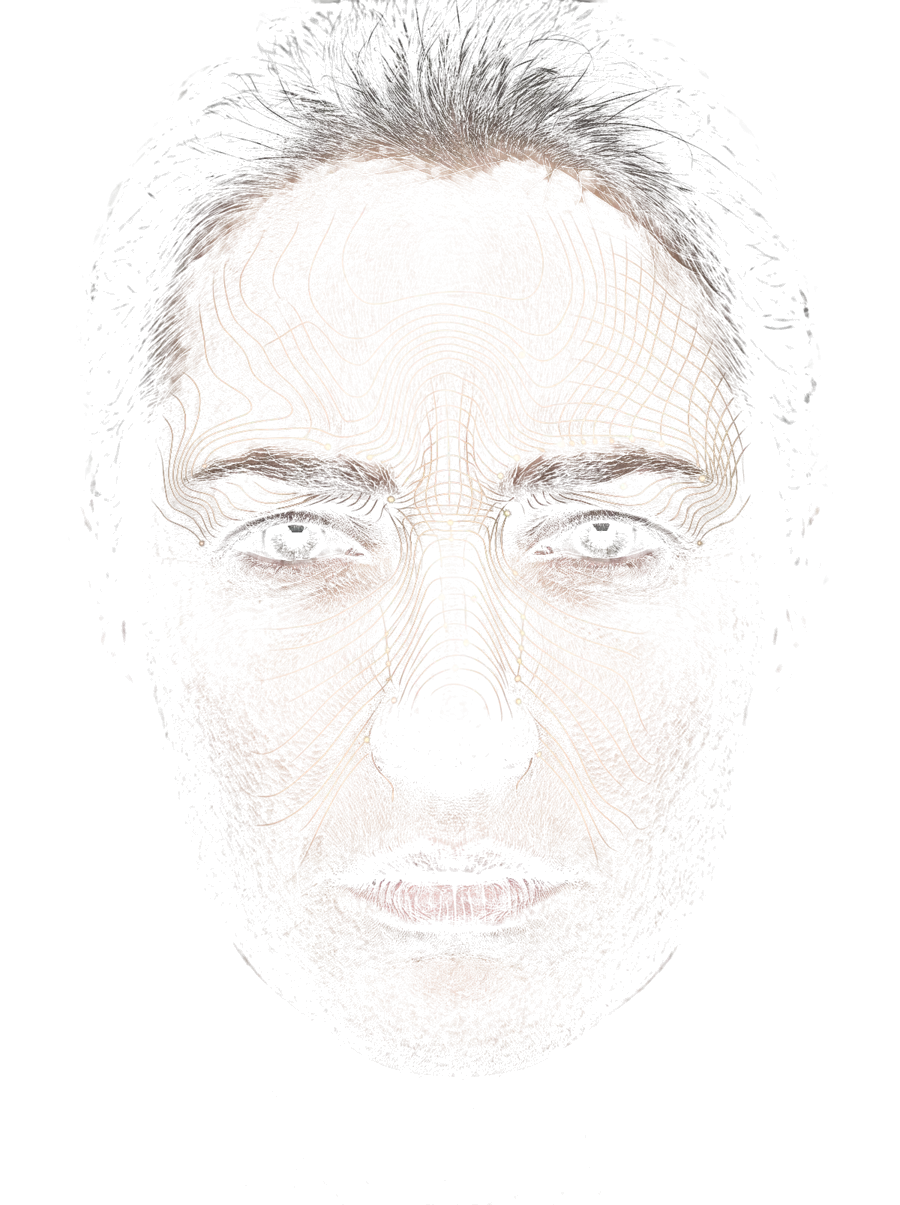
The repetitive stretch and release of facial movement: frowning, talking, smiling, thousands of times a day.
deformation over time
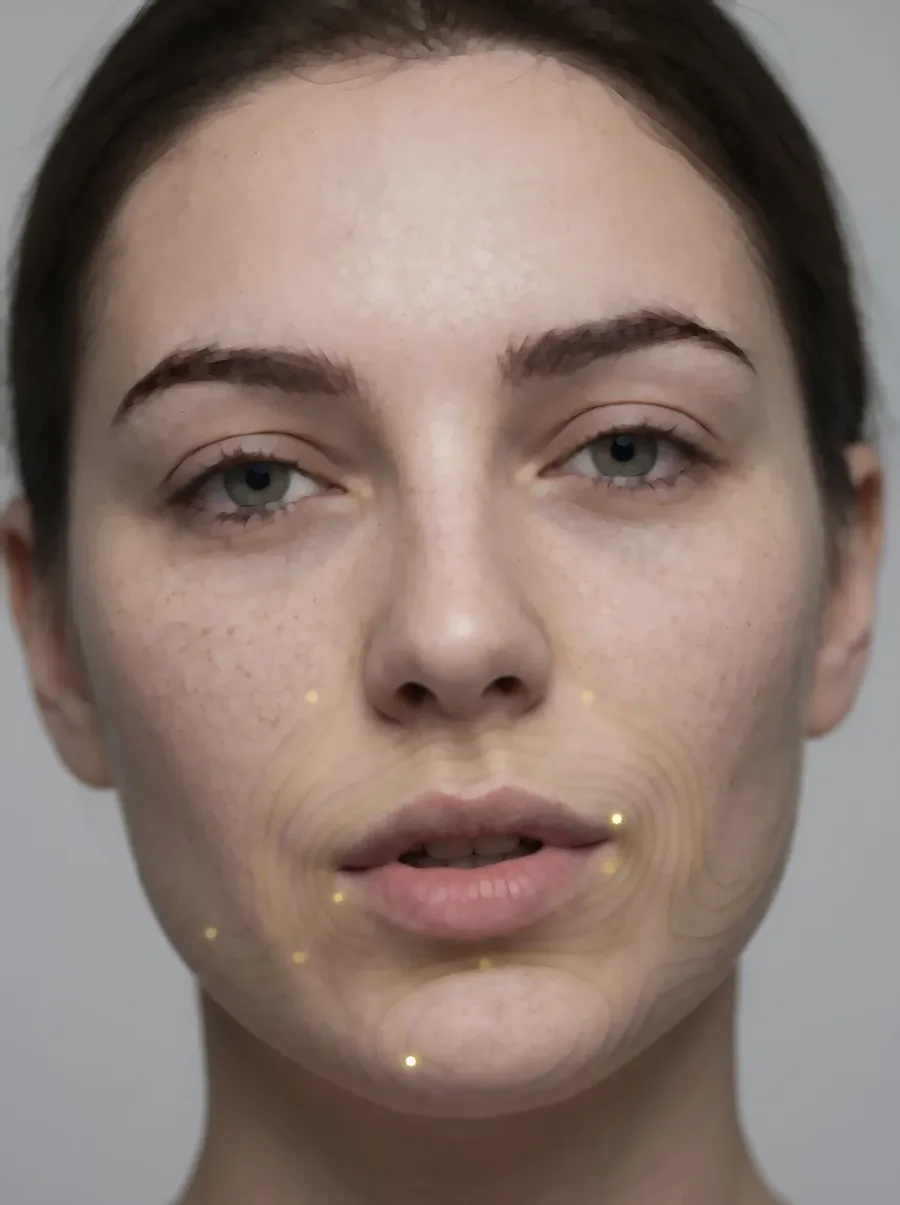
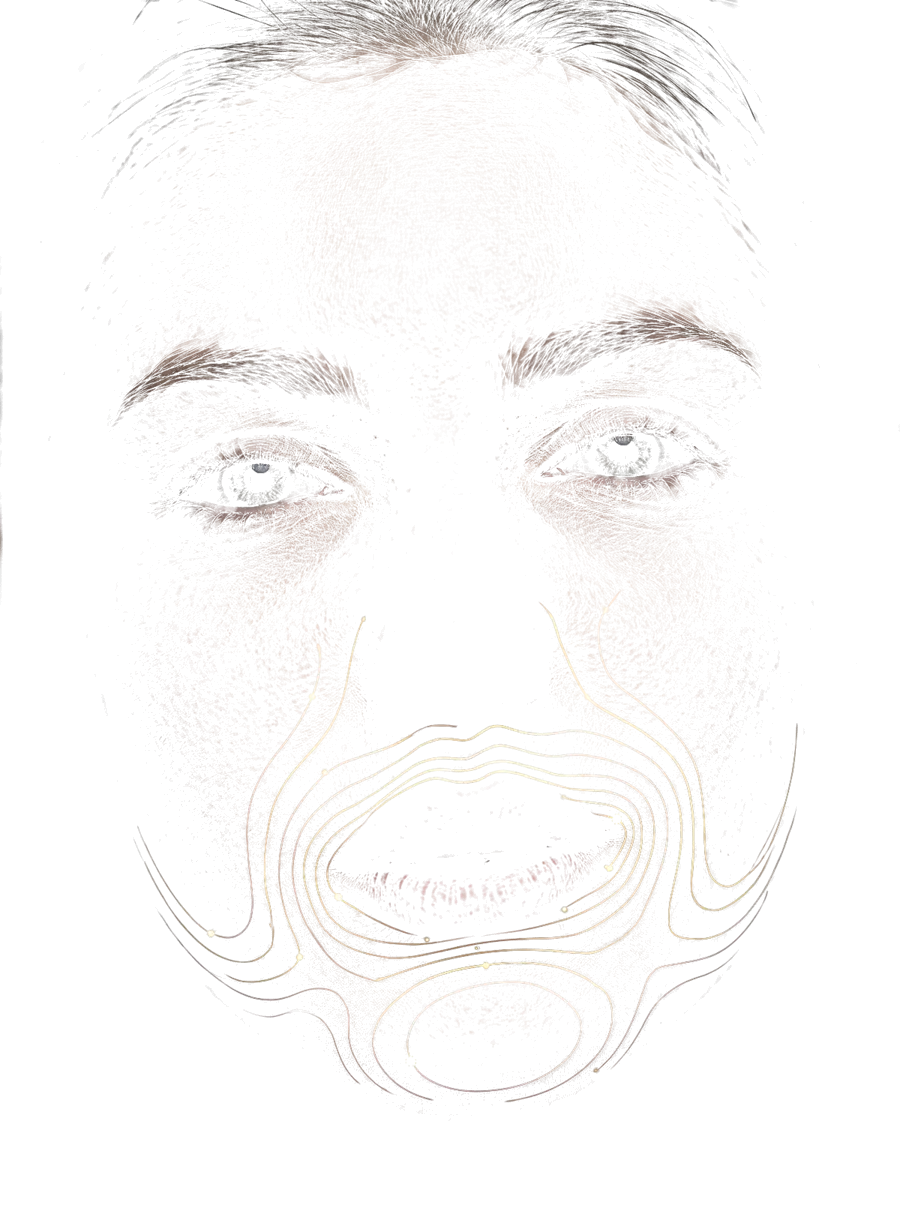
Perioral skin stretches and relaxes with every word: small, irregular cycles through most of the waking day.
deformation over time. Shape only; values from the facial mechanics library, in progress
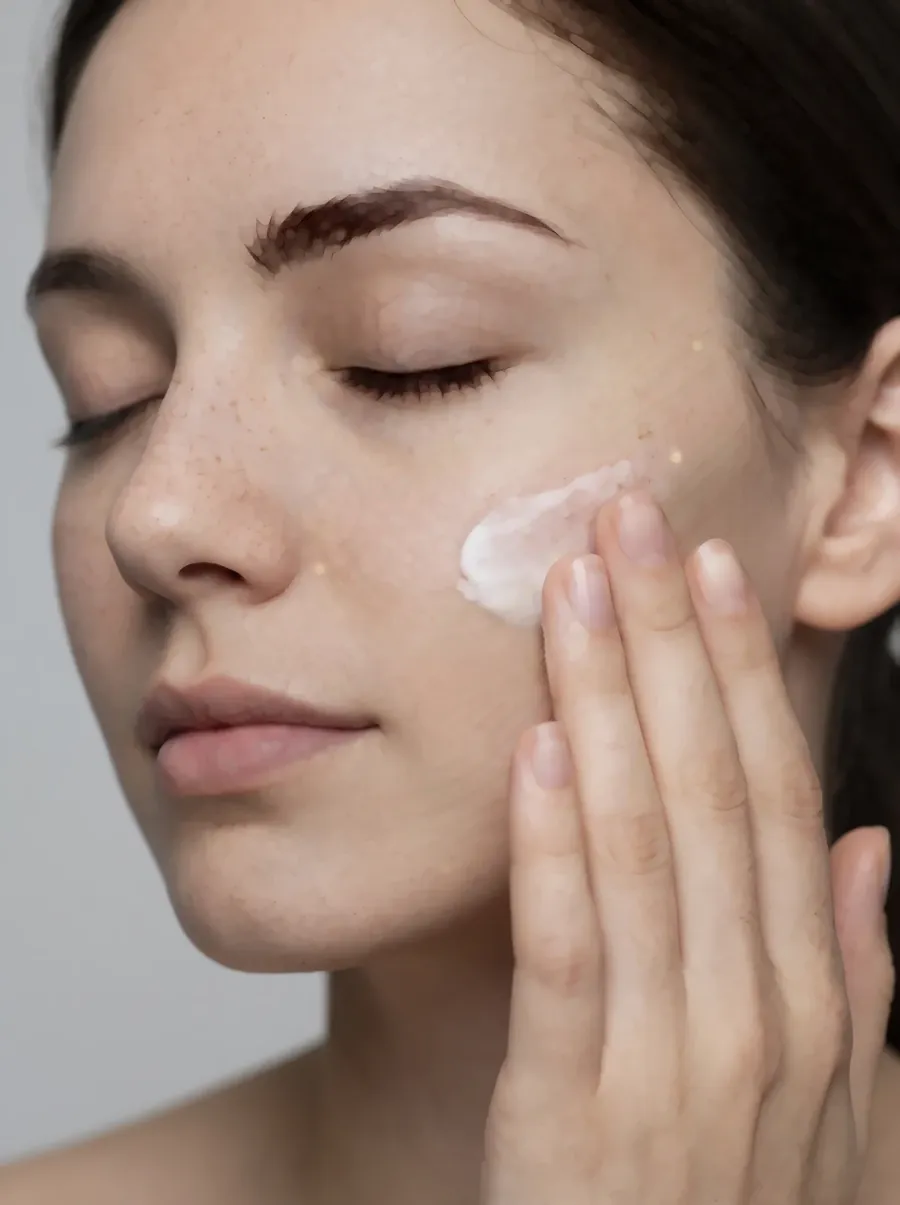
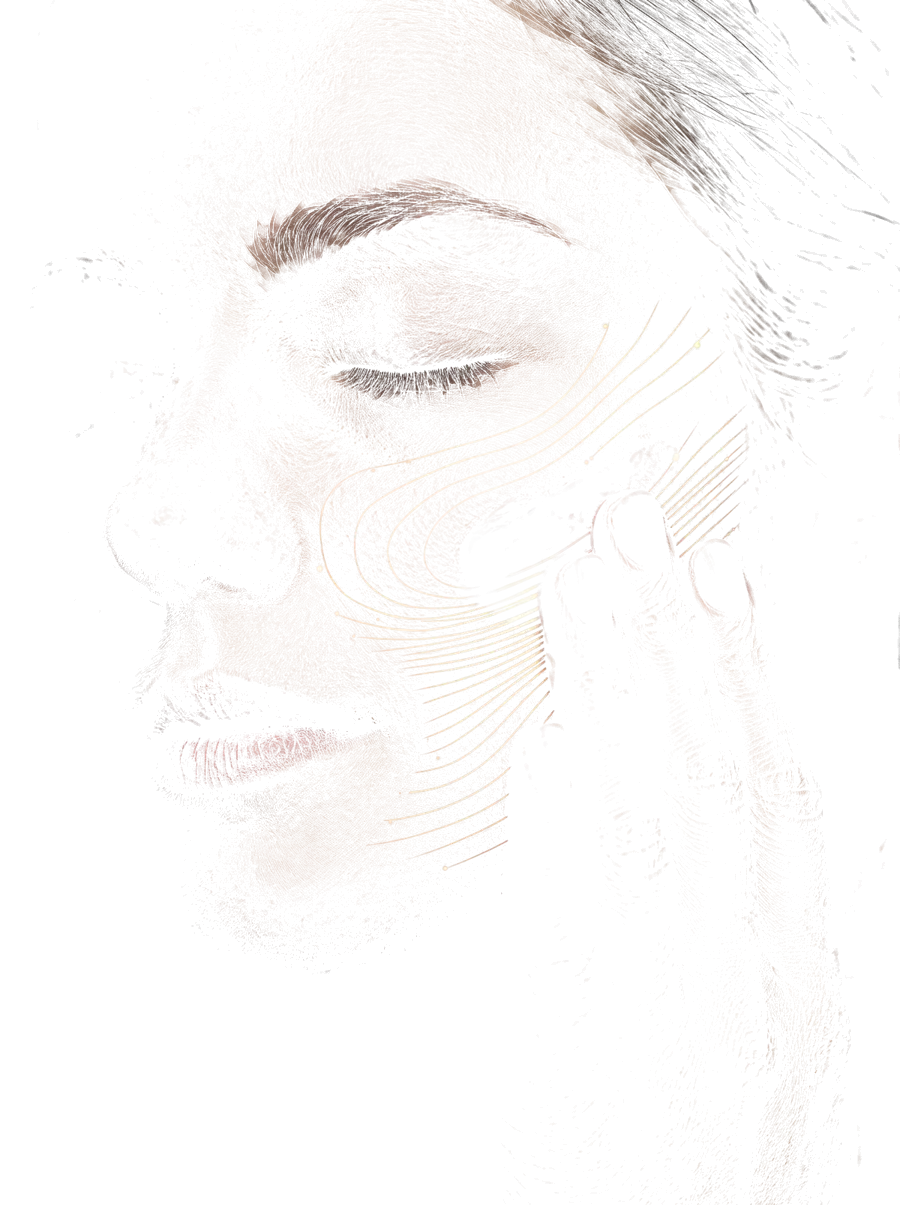
Spreading a cream is a mechanical event in itself: friction and tangential shear across the cheek, in short strokes, at the very moment the active reaches the skin.
deformation over time. Shape only; values from the facial mechanics library, in progress
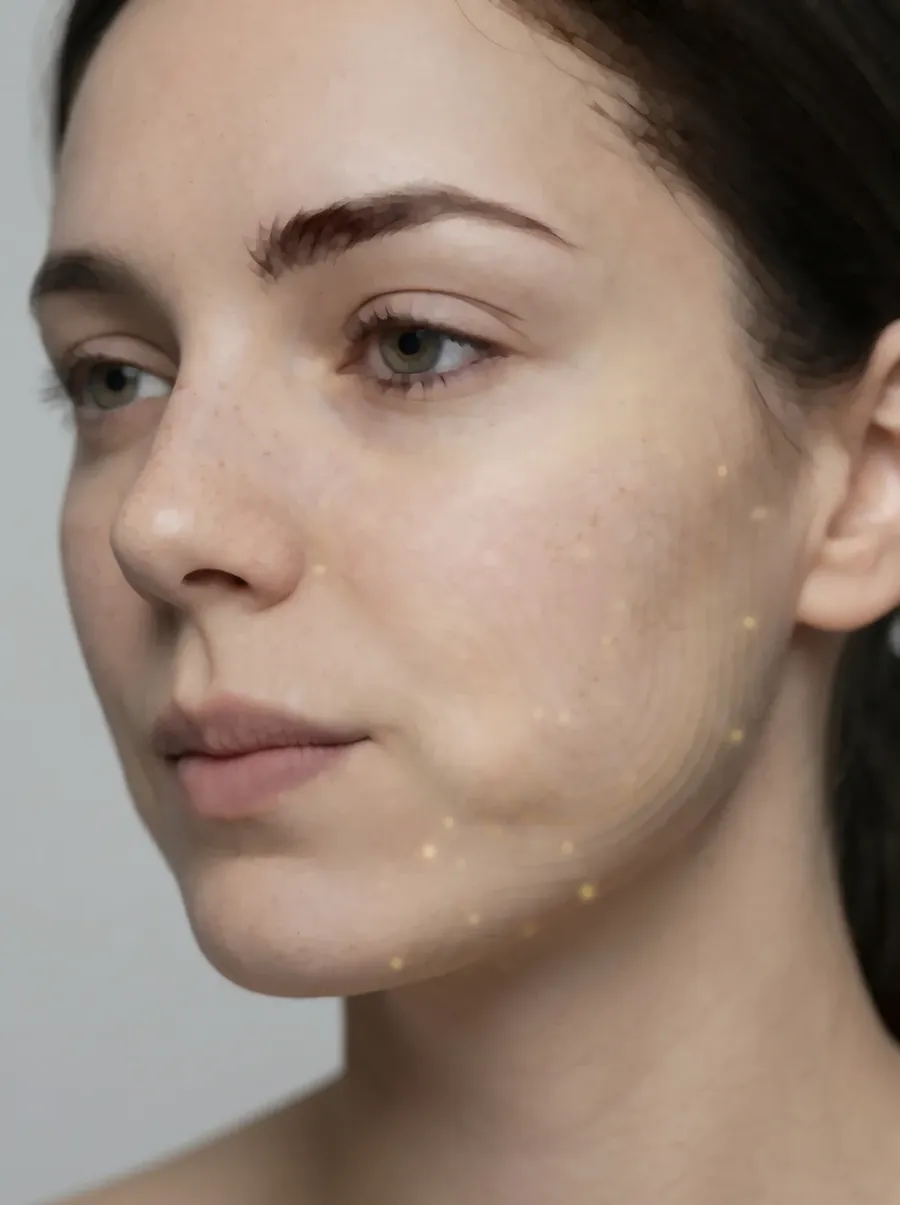

The masseter pushes the cheek from inside in rhythmic bursts, a few times a day, each a run of regular cycles followed by rest.
deformation over time. Shape only; values from the facial mechanics library, in progress
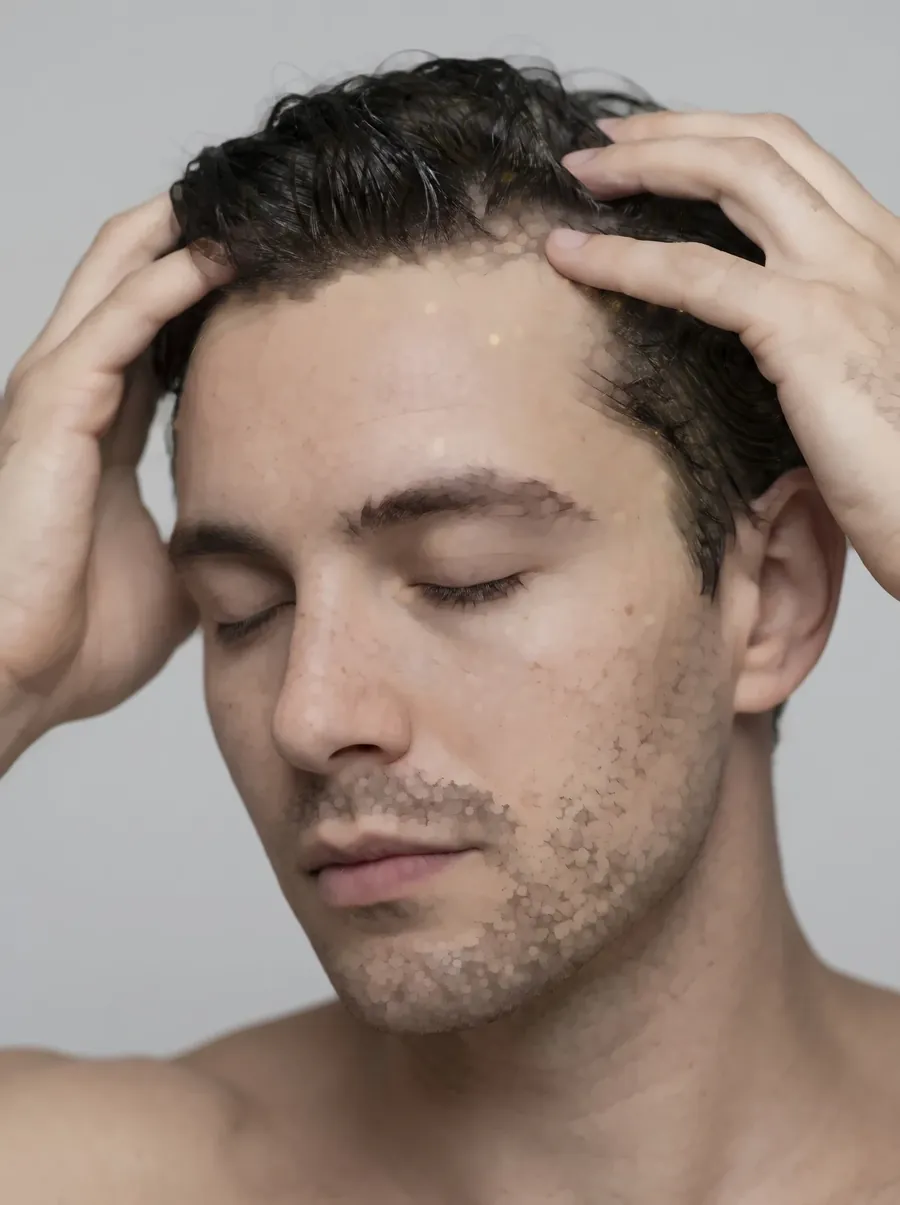

Fingertips knead the scalp in slow circles, stretching and shearing the skin over the hair follicles. It is the setting a hair-care active meets, and it matters for alopecia: the follicle niche responds to mechanical cues.
deformation over time. Shape only; values from the facial mechanics library, in progress
Claims
Each of them can be tested under the states above, in vitro, with a clinical measurement waiting on the other side.
Firmness and elasticity
Collagen lattice contraction, construct modulus, cell stiffness
Shear-wave elastography, Cutometer
Anti-ageing
Procollagen-I, ↓MMP-1/3, collagen organisation
3D profilometry, ultrasound
Hydration
Hyaluronic acid, aquaporin-3, filaggrin
Corneometry, TEWL
Soothing
↓IL-1/6/8, TNF-α, PGE2
Erythema scoring
Laxity after rapid weight loss
Rapid body-mass reduction, including in the GLP-1 era, can expose reduced tissue support and skin laxity.
Pending scientific validationDermal tension and ECM remodelling under the loss of tissue support
Shear-wave elastography, Cutometer
The strongest in-vitro↔clinical link is mechanical: measure the same physical quantity (modulus) in vitro and in vivo.
Disease
Where mechanics drive the disease, the load has a shape. That shape is what an assay has to reproduce.
Barrier dysfunction and inflammation modulated by chronic mechanical stress, scratching and cell-stiffness changes.
Repetitive shear in flexural zones acts as trigger and amplifier (Koebner phenomenon in up to 75% of patients).
The hair-follicle niche responds to mechanical cues affecting inflammation and regeneration.
Stiffness drives fibrosis via Piezo1–Wnt feedback loops.
How a study runs
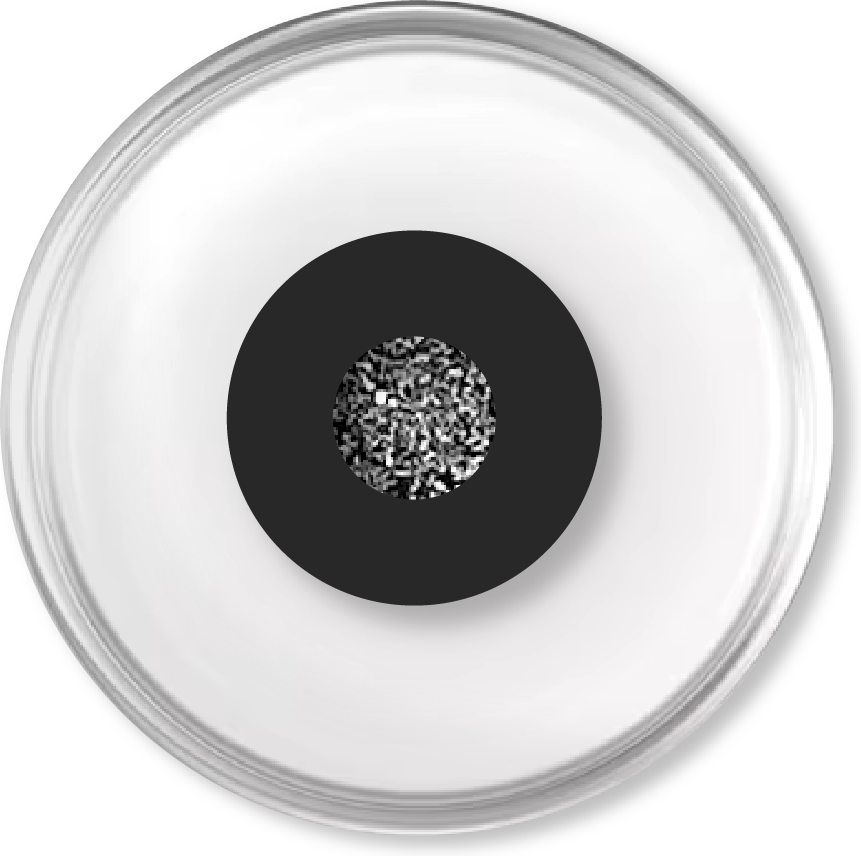
Cells or skin on MagFlex
Define the protocol
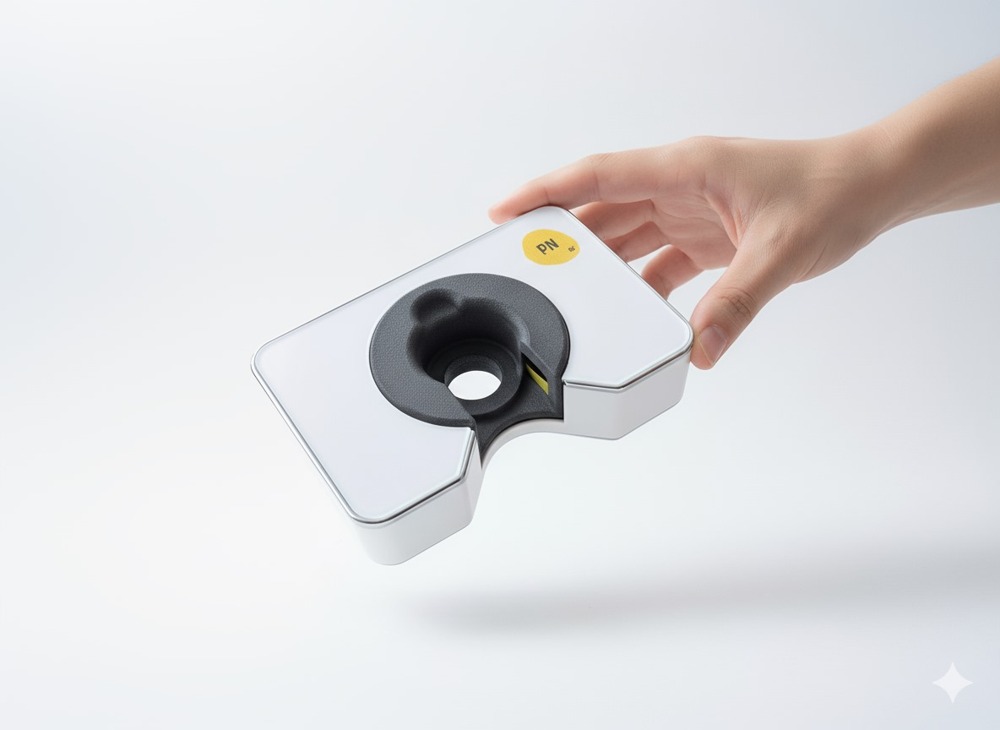
Inside the incubator
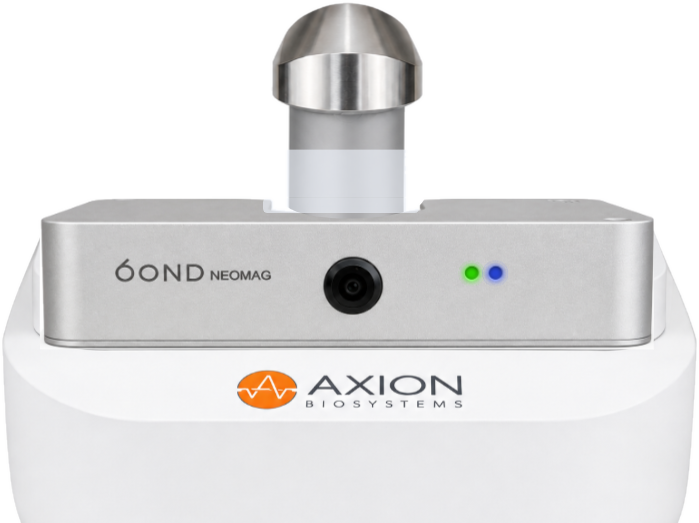
On the lab's microscope
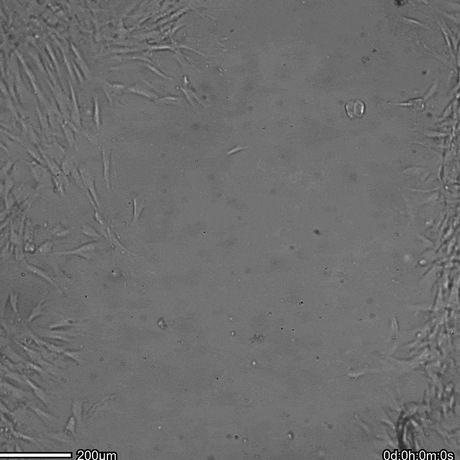 0 h
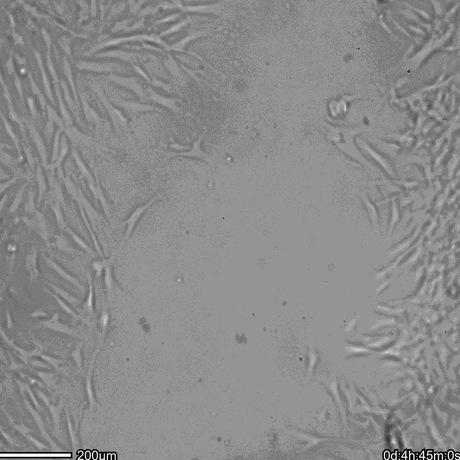 4 h 45 min
Same consumable, same well. The static control is the same assay with the actuator off.
Evidence: wound healing
Human fibroblasts on MagFlex, imaged in the incubator with the Axion Lux3, against the static control. One replicate per condition: trends, not statistically powered differences.
Read the application note →Who it is for
Show that an active works on firmness, anti-ageing or repair, under the mechanics the skin actually lives in.
Talk about your claim →Model atopic dermatitis, psoriasis or wound healing where the mechanical load is part of the disease.
Discuss a disease model →Offer clients an assay that is not in anyone’s catalogue yet.
Add it to your services →Understand the mechanism, publish it and validate the method.
Start a collaboration →